Building A Reading Habit Daily
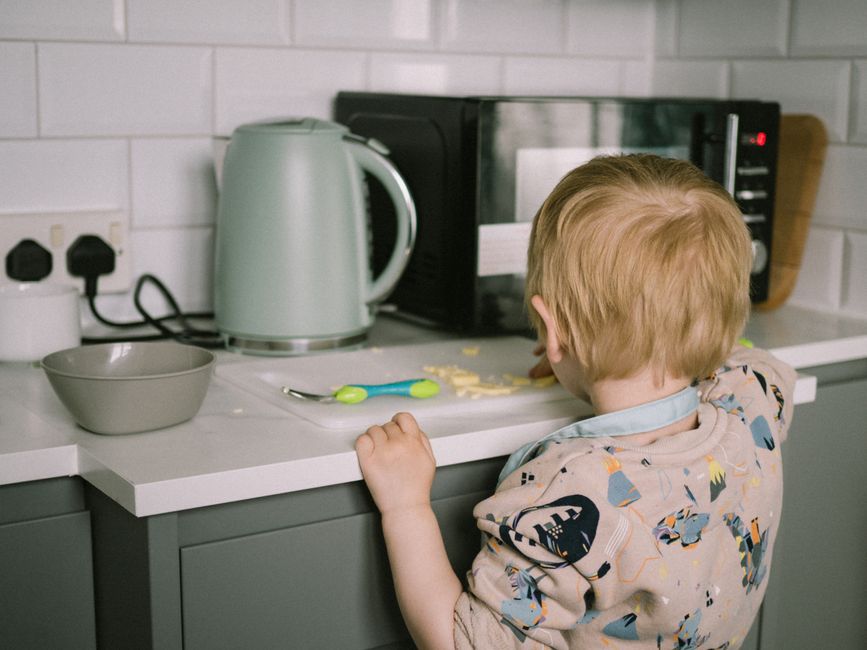
As the clock ticks toward 6 PM, the kitchen counter becomes a battleground of half-finished tasks. A parent stands there, juggling a bag filled with snacks, a notebook, and a set of keys, all while the aroma of dinner wafts from the stove. The planner, still closed on the table, serves as a reminder of the evening's intentions: reading time after the kids are settled. Yet, amidst the chaos of post-pickup routines, that quiet moment of reading often slips through the cracks.
Just as the parent reaches for the notebook to jot down tomorrow's schedule, a phone notification buzzes, pulling attention away from the task at hand. This interruption, seemingly minor, disrupts the sequence of actions that could lead to a successful evening reading habit. Instead of laying out clothes for the next day or checking off the to-do list, the focus shifts, and the opportunity for a daily reset fades. The small habit of reading, once a priority, gets overshadowed by the urgency of immediate demands, leaving the evening routine feeling incomplete.
A Morning Reset Gone Awry
Amid the clatter of breakfast dishes and the faint sound of a morning news broadcast, the kitchen counter becomes a staging ground for the day ahead. A parent stands there, resetting a bag and keys, preparing for the hectic school drop-off. The planner, still closed on the table, looms as a reminder of the evening reading goal, yet the morning's distractions threaten to derail those intentions.
As the clock ticks closer to departure time, the parent grabs the bag but notices a phone notification lighting up the screen. That quick glance, intended to be just a moment, spirals into a mini-crisis—an urgent email demanding immediate attention. In the flurry of trying to respond, the sequence of actions that could have set the stage for an evening reading habit slips away. Instead of laying out clothes for the next day or checking the planner for the evening schedule, the focus shifts entirely to the phone, leaving the bag half-packed and the planner untouched.
In this moment, the small habit of reading, which should have been a priority, is overshadowed by the urgency of immediate demands. The parent realizes that even the simplest morning routine can become a tangled web of distractions, where the intention to read at night gets lost before the day even begins. The evening routine now feels like a distant promise, as the morning reset fails to solidify the reading habit that was meant to anchor the day.
When the Routine Starts to Slip
A slightly different version of this problem appears in Everyday Life In The, where the sequence changes but the hidden drag feels familiar.
As the clock ticks closer to departure time, the kitchen counter becomes a battleground of unfinished tasks. The bag sits half-packed, keys lie next to a closed planner, and the thought of reading tonight is overshadowed by the immediate chaos of getting everyone out the door. One missed check—like laying out clothes for the next day—can send the entire morning routine spiraling.
Just as the parent reaches for the planner to confirm the evening schedule, a phone notification buzzes insistently. It’s a message that demands attention, pulling focus away from the reset. Instead of prioritizing the small habit of reading, the mind shifts to crafting a quick response. This shift creates a ripple effect: the planner remains untouched, the clothes remain unlaid out, and the evening reading plan feels more like a distant fantasy than a concrete goal.
With too many hidden steps in the routine, the intention to read slips further away. The sequence of actions—checking the planner, laying out clothes, and preparing the bag—becomes muddled. Each task feels like an obstacle rather than a stepping stone toward a calm evening. The parent realizes that without a clear checkpoint before leaving the room, the reading habit is at risk of being sidelined by the immediacy of daily demands. The chaos of the morning routine reveals how easily the commitment to reading can be eclipsed by the urgency of life’s distractions.
Understanding the Friction in Daily Life
If this pattern keeps repeating, Daily Routines Real Life extends the idea without leaving the niche.
The kitchen counter becomes a battleground during busy mornings, cluttered with breakfast dishes, a half-packed bag, and a phone buzzing with notifications. This chaotic environment distracts from the intention to read, as the mind races through multiple tasks competing for attention. Without a visible reminder to read, the small habit slips further down the priority list, overshadowed by the urgency of getting out the door.
- Check the planner before leaving the room to ensure the evening reading time is set.
- Lay out clothes for the next day to reduce decision fatigue.
- Silence the phone or place it in another room to minimize distractions.
In this frenzied moment, the hidden step of checking the planner often gets overlooked. The good intentions of carving out time for reading become lost amid the noise of daily demands. Without that crucial checkpoint, the sequence of actions—planning, laying out clothes, and preparing the bag—becomes muddled, leaving the reading habit vulnerable to disruption. Each task feels like an obstacle, and the evening reading plan begins to fade into the background, overshadowed by the morning rush.
A Simple Adjustment to the Sequence
Preparing a dedicated reading spot can transform your evening routine. Instead of leaving your book on the shelf, set it up on a small table or your bedside stand, complete with a bookmark in place. This simple act not only makes it visually accessible but also serves as a constant reminder of your intention to read. When you walk past that spot after dinner, it signals a shift in focus from the chaos of the day to a quieter moment with your book.
Contrast this with the usual last-minute scramble that often derails your reading plans. Without a designated space, you might find yourself rushing to locate your book, only to be interrupted by a phone notification or a child needing attention. To counter this, set a reminder on your phone for the evening to confirm that your reading materials are ready. As you lay out your clothes for the next day, take a moment to check that your book is waiting for you, right there in its spot. This small adjustment in sequence—preparing your reading area and confirming it before the evening rush—ensures that your reading habit remains a priority, even on busy days. One Check Before You Leave the Room In the morning rush, it’s easy to forget the small steps that keep your reading habit intact. As you prepare to leave the house, take a moment to glance at your planner on the kitchen counter. This simple check can remind you of the reading time you’ve scheduled for the evening. If it’s marked clearly, it sets the intention for the day and helps prioritize that quiet moment with your book.
Before you grab your keys and head out, ensure your book is either in your bag or placed neatly near your designated reading spot. If it’s not visible, it’s all too easy to let it slip from your mind. This is where a visual reminder comes into play. A small sticky note on the counter can serve as a prompt, nudging you to remember your reading plans. This quick check, just before leaving the room, acts as a crucial pivot point in your routine, preventing distractions from derailing your evening reading.
Interruptions like phone notifications can easily disrupt this sequence. You might find yourself caught up in a text or an email, forgetting your commitment to read. By establishing this checkpoint, you create a buffer against those distractions. The planner remains open on the table, ready to guide your evening, while your book awaits you, ensuring that your reading habit remains a consistent part of your daily life.
What Gets Easier in the Next Time Block
As you prepare for the evening, laying out your clothes for the next day on the kitchen counter can create a smoother transition into your reading time. This small act not only clears your mind but also sets a visual cue that reading is a priority. The counter becomes a staging area, where your book sits next to your planner, reminding you of the commitment you made earlier in the day.
When you finish dinner and start the evening routine, the act of checking your planner becomes essential. If it remains closed on the table, it’s easy to forget about your reading goals. Open it up and glance at your notes, which might include a reminder to read a chapter or two. This quick check allows you to mentally prepare for the next block of time, ensuring that your reading habit doesn’t get lost amid the chaos of post-dinner cleanup.
However, be mindful of the distractions that can creep in. A phone notification might interrupt your reset, pulling you into a quick scroll or a response. To counter this, consider placing your phone in another room during your reading time. This way, you can focus on your book without the temptation of checking messages. By making these adjustments, you not only streamline your evening routines but also reinforce your commitment to reading, making it easier to integrate into your daily life.
As you gather your belongings near the door, take a moment to lay out your reading material alongside your keys and bag. This simple act of visibility can serve as a powerful reminder of your intention to read later. If your planner is still closed on the kitchen counter, open it now. A quick glance at your notes can help you recall your reading goals and mentally prepare for the evening ahead.
When you leave the house, ensure that your phone is set aside, preferably in another room. This small adjustment helps eliminate distractions that can derail your reading time. By incorporating these checks into your evening routine, you can prevent the breakdown of your reading habit, ensuring that it remains a consistent part of your daily life.


